
The Gulf region breathed a collective sigh of relief late on Tuesday after Iran and the United States agreed on a two-week truce, pausing more than a month of increasingly violent attacks and inflammatory rhetoric.
Hours earlier, US President Donald Trump threatened to wipe out an “entire civilisation” and Tehran warned of further attacks across the Gulf and beyond.
But 90 minutes before the end of the deadline that Trump had imposed for Iran to fully reopen the Strait of Hormuz or “be sent back to the stone ages“, the US president said it had agreed to halt attacks for two weeks. That was on condition of maritime transit resuming in the vital waterway, where 20 per cent of the world’s oil and natural liquefied gas normally is shipped. Iran brought traffic through the chokepoint to a near standstill in response to joint US-Israeli attacks since February 28.
In a separate message, Trump described a 10-point plan put forward by Iran as “a workable basis on which to negotiate”. According to Iranian state media, one of Iran’s points is for Tehran to continue controlling the Strait of Hormuz. Iranian Foreign Minister Abbas Araghchi said passage over the two weeks will only be possible “in coordination” with the Iranian military.
While negotiations are set to kick off in Pakistan’s capital, Islamabad, at the weekend, experts say Gulf nations remain wary that the US, desperate for an exit, could agree to terms that grant Iran some control over the Strait of Hormuz.
“There is a quiet but palpable concern that President Trump, eager for a quick political victory, could tolerate some Iranian leverage over the strait in exchange for a fragile truce, prioritising optics over Gulf realities,” said Hesham Alghannam, a Saudi Arabia-based scholar at the Malcolm H Kerr Carnegie Middle East Center.
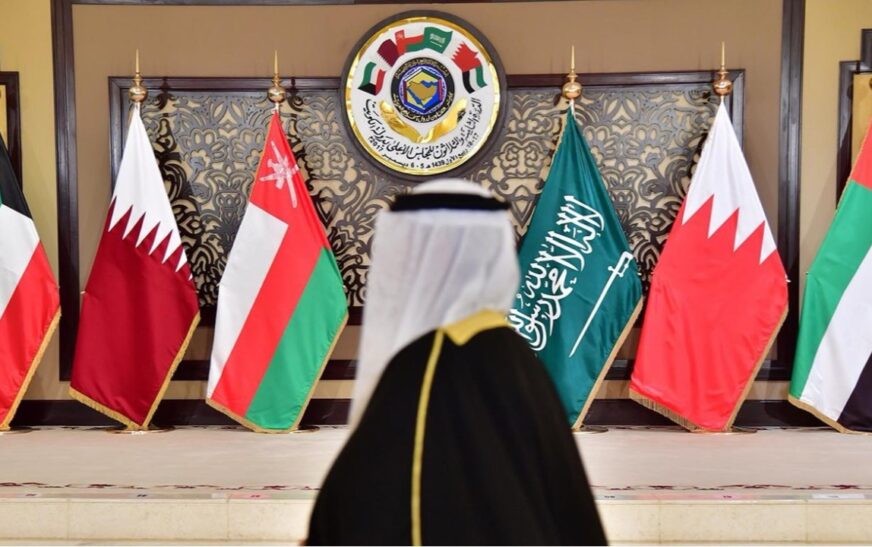
In a flurry of statements, the six Gulf Cooperation Council (GCC) countries sounded the alarm after facing almost daily Iranian missile and drone attacks. With varying wording, they all welcomed the ceasefire but stressed that the Strait of Hormuz must reopen and any deal must result in a permanent, long-term arrangement.
The alternative – in which a weakened, yet hardened and intact Iranian leadership calls the shots on the strait – would be a nightmare scenario for the energy-rich Gulf countries, leaving them under constant threat of disruption and economic blackmail, said Alghannam.
“It makes future war more likely over time, while forcing the GCC to live under Iranian strategic pressure indefinitely. That suspended tension is what makes it so unacceptable,” he added.